
Meet Us
Owl Mind Resources grew out of years of working closely with children, families, and educators across different settings and cultures — classrooms, nonprofit programs, and nature-based spaces, both in the U.S. and abroad. Again and again, we noticed how often children are asked to adapt to systems that aren’t designed for them. Our work is rooted in relationship, curiosity, and respect for how children actually learn and grow.
Terris King II
Education Strategist · Systems Builder
M.Ed., Elementary Education
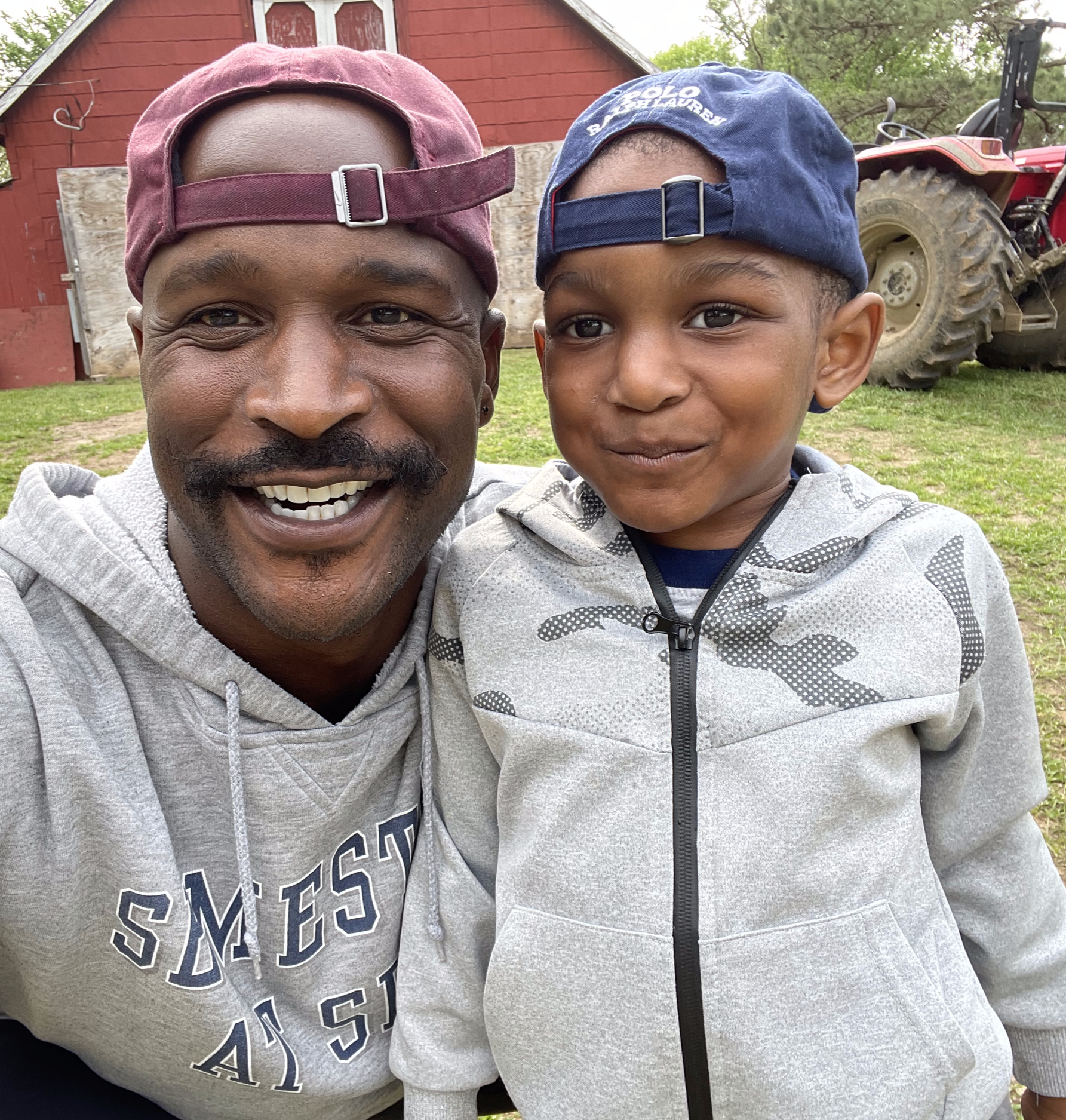
Terris King II is an educator, social entrepreneur, and systems-builder whose work bridges early childhood education, environmental justice, and community health. A former kindergarten teacher turned educational strategist, Terris has spent over a decade designing and scaling learning environments that center children, families, and the ecosystems they live within.
Terris holds a Master’s degree in Elementary Education from Lesley University and a B.A. in Philosophy from Morehouse College. His career has spanned public and independent schools in the U.S. and abroad, including teaching at the Park School of Baltimore, Bishop Walker School for Boys, and Shanghai American School—experiences that shaped his belief that meaningful learning happens through relationship, movement, place, and belonging.
He is the founder of Temple X Schools, a multi-site, community-rooted school model operating in Baltimore with expansions to Tennessee and Alabama, and the president of Baltimore Forest School, where he helps advance nature-based education as a public good. Through partnerships with institutions such as Smithsonian, U.S. Forest Service, and RAND Corporation, Terris has led participatory research and place-based learning initiatives focused on urban ecology and environmental justice.
Terris currently serves on the Baltimore Commission on Sustainability, the Maryland Environmental Advisory Council, and the leadership team of the Baltimore Ecosystem Study, working at the intersection of policy, education, and community health.
As a father of a child with autism, Terris brings a deeply personal lens to his work. He is collaborating with Kennedy Krieger Institute to develop a community-based screening tool for young children, and with Baltimore City Public Schools to expand forest-school and outdoor learning models so that more children have access to nature-centered education.
Across all of his work, Terris’s strength lies in building durable structures—connecting institutions, aligning stakeholders, and ensuring that educational opportunities are embedded into the fabric of public life. His work reflects a commitment to scale without sacrificing care.
Jill Aizenstein
Educator · Program Designer
Ph.D., Hebrew & Judaic Studies
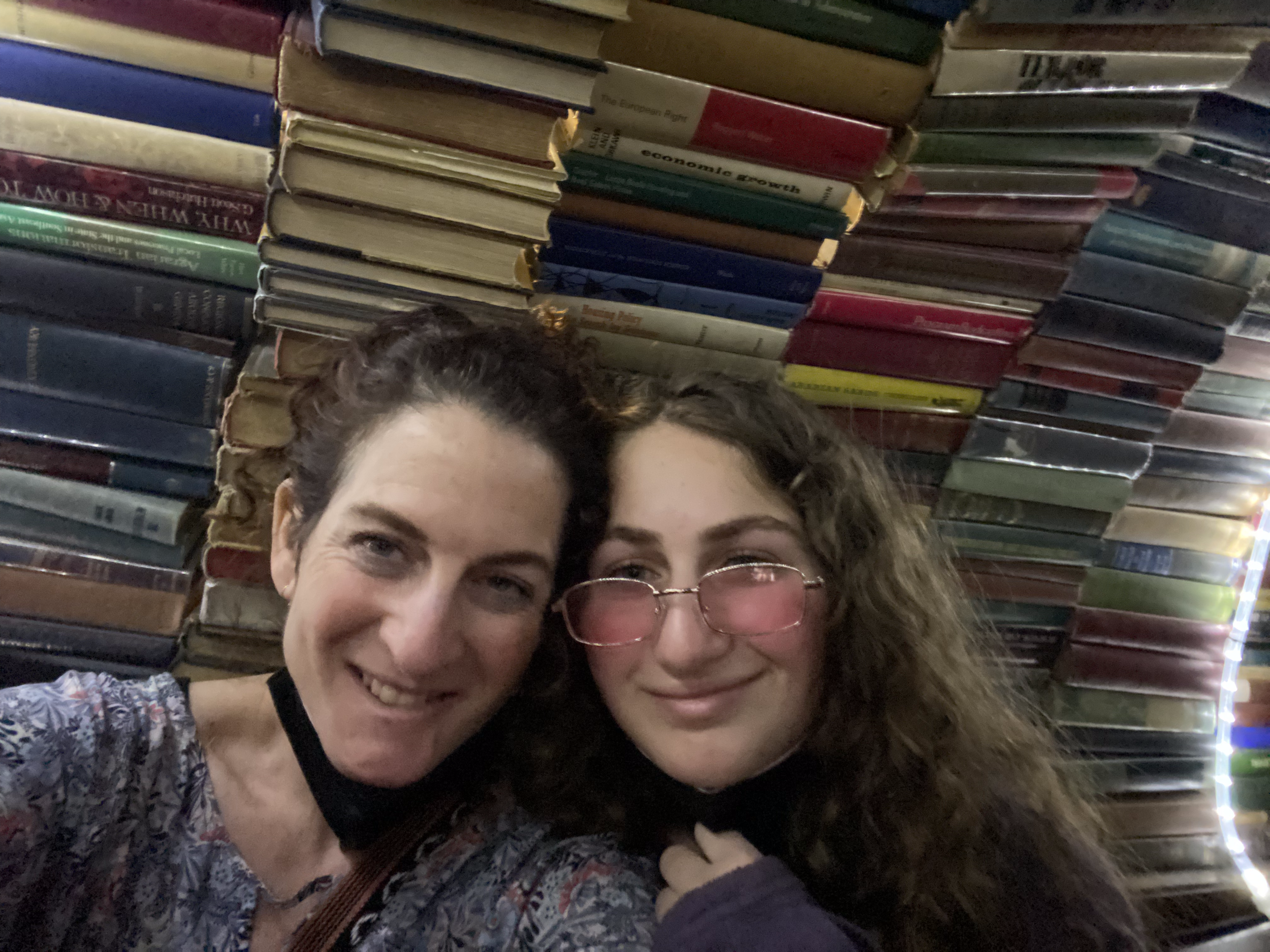
Jill Aizenstein is an educator, writer, and program designer with over two decades of experience teaching adolescents and young adults across high schools, universities, and community-based settings. Her work centers on dialogue, critical thinking, and education as a practice of connection—bringing people into meaningful conversation across differences, disciplines, and lived experiences.
After earning a B.A. in English from Brandeis University, an M.A. in Comparative Literature from Columbia University, and a Ph.D. in Hebrew and Judaic Studies from New York University, Jill settled in Baltimore, where she raised her four children and has spent nearly twenty years teaching learners from early adolescence through adulthood, both in and beyond the classroom.
Jill teaches young people, not lesson plans. She approaches learning as a dialogic process—rooted in curiosity, compassion, and intellectual rigor—and is especially passionate about mentoring teens and supporting youth leadership. She has helped nurture student-led initiatives including a high school Gender Sexuality Alliance and Environmental Club, and has secured grant funding to design interdisciplinary programs linking education to civic engagement and environmental stewardship.
Her work often brings together diverse communities around shared inquiry. Jill has designed and led programs linking synagogue and church communities through environmental service learning, facilitated participatory science initiatives in collaboration with organizations such as Civic Works and the Baltimore Social Environmental Collaborative, and supported youth internships in urban ecology in partnership with the Smithsonian Environmental Research Center. Whether guiding interfaith dialogue, leading place-based discussions on the history of redlining in Northwest Baltimore, or creating spaces for teens to explore art, justice, and identity, Jill thrives at the intersection of education, community, and collective meaning-making.
In 2023, Jill founded EyesinBooks, a nonprofit book-based initiative dedicated to rescuing and rehoming print materials, building culturally responsive libraries in community spaces, creating pop-up libraries in forests, and facilitating hands-on book arts—including papermaking and bookbinding—for learners of all ages.
Across her work, Jill is guided by a belief that education is most powerful when it fosters civil discourse, shared stewardship, and a sense of belonging—helping people learn not only what to think, but how to think together.
Kristin Horneffer
Special Educator · Curriculum Designer
M.A., Special Education | Orton–Gillingham Certified
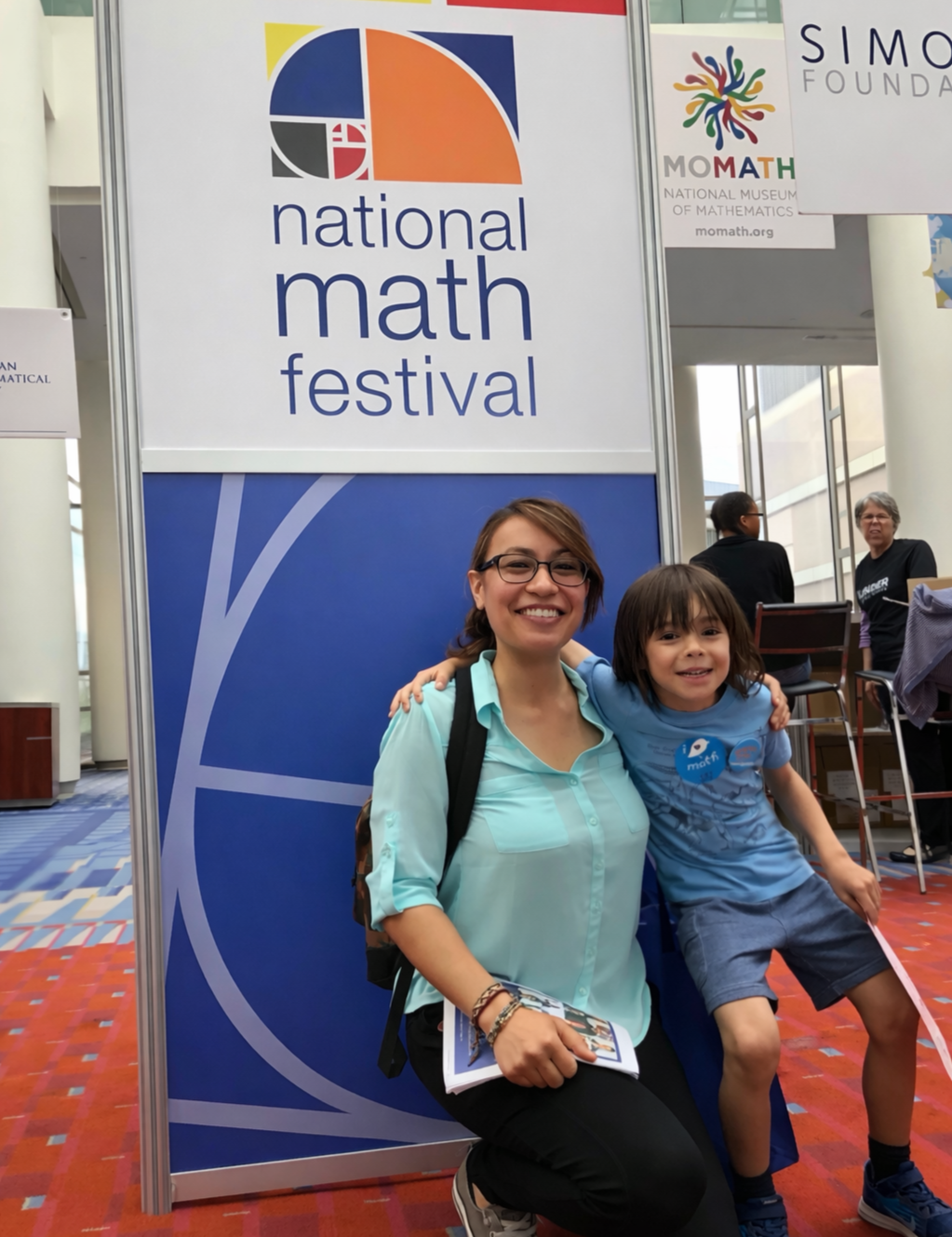
Kristin Horneffer is an educator and program designer whose work centers on deeply attuned, relationship-based learning. She has worked across classrooms, nonprofit programs, and nature-based educational spaces in the U.S. and abroad, supporting children and adolescents with a wide range of learning profiles.
After earning a B.A. from Yale University, Kristin remained in New Haven working with city youth in an educational nonprofit, where she began questioning traditional academic models. Teaching computer classes to students whose daily realities were marked by unmet needs, she began experimenting beyond the screen; she and her students built a garden behind the classroom and took regular hiking trips—experiences that reshaped her understanding of education as not only skill-building, but voice-finding and self-trust.
Kristin later earned a Master’s degree in K-12 Special Education from American University and became certified in Orton-Gillingham instruction. She has taught at institutions including The Lab School of Washington and the National Child Research Center, designed interdisciplinary mathematics curricula, and worked with students with autism, dyslexia, dysgraphia, ADHD, speech and language differences, selective mutism, and giftedness. Most recently, she helped design a special education program at the Karachi American School in Pakistan and presented at the National Association for the Education of Young Children (NAEYC) on integrating academics with outdoor, play-based learning.
Kristin is also the founder of Rootwork Commons, where her work now extends to intergenerational education, ecological literacy, and helping people develop both practical skills and a sense of agency in the world.
Kristin’s greatest strength as an educator is empathy. Drawing on training in education and anthropology, she is deeply attuned to where a child is coming from—their history, environment, and the forces that have shaped them—and skilled at designing learning environments that support growth with dignity, patience, and care.